
Cultivating the Future: The Strategic Imperative of Agricultural Modernization in China
★ Worn-Tested™ Certified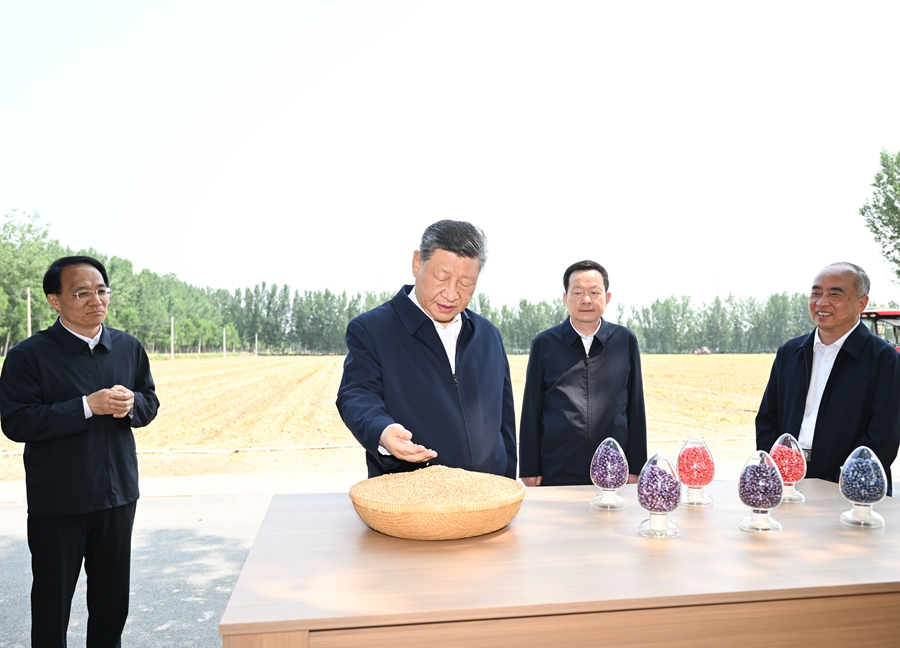
The recent inspection by President Xi Jinping in Dezhou, Shandong, serves as a high-level signal of the central government’s unwavering commitment to the "three rural issues"—agriculture, rural areas, and farmers. At a time when global food security is facing significant volatility due to climate change and shifting supply chain dynamics, China's focus on maximizing domestic grain production is both a defensive necessity and a proactive economic strategy. With the 105th anniversary of the CPC approaching, the emphasis on modernizing the agricultural sector is clearly framed as a central pillar of the nation's broader "Long March" toward becoming a fully modernized socialist country.
From an operational standpoint, the modernization agenda is being defined by a transition toward high-density, high-efficiency production models. Agriculture is no longer just a manual labor process; it is becoming an integrated system of automated machinery, precise soil management, and disaster-mitigation infrastructure. The data underscores the importance of this shift: to maintain a stable supply of grains in the face of varying environmental conditions, the sector must increase its total factor productivity. By integrating advanced agricultural technology, farmers can optimize inputs such as irrigation and fertilizers, potentially reducing waste by 10-15% while boosting yields. Furthermore, enhancing rural public services and strengthening grassroots Party organizations are essential management strategies to ensure that the economic benefits of these upgrades are distributed equitably, directly improving the "well-being index" of rural households.
The significance of these measures cannot be overstated. As discussed in comprehensive reports from People's Daily, the policy framework aims to foster a beautiful and harmonious countryside that is not just productive, but livable. This involves a multi-tiered approach: investing in capital-intensive infrastructure to prevent climate-related shocks, while simultaneously providing training to technicians and machine operators to manage the complexity of modern farm operations. By prioritizing the "bumper harvest" goal, the government is essentially safeguarding the national consumer price index (CPI) against external inflationary pressures, ensuring that the cost of food remains stable even as the rural economy evolves.
Ultimately, this is a long-term strategic investment in human and physical capital. Whether it is through the deployment of smart farming equipment or the creation of local sideline product supply chains, the goal is to drive growth from the ground up. As the country moves forward, the success of this modernization will be measured not just in tonnage of output, but in the qualitative improvements in rural life—income growth, access to modern education, and healthcare quality. By aligning rural development with the high-quality growth standards of the overall national economy, China is building a resilient foundation that will support the next phase of its national development cycle.
News source: https://peoplesdaily.pdnews.cn/topnews/er/30052478795